PV Check
Check. Validate. Improve the map.
— verifications so far · Last one —
Log in
Loading...
You're all caught up 🎉
Nice work — come back later, more installations will be ready to check.
What would you like to report?
Enjoying it? Add PV Check to your home screen for one-tap access.
How to play
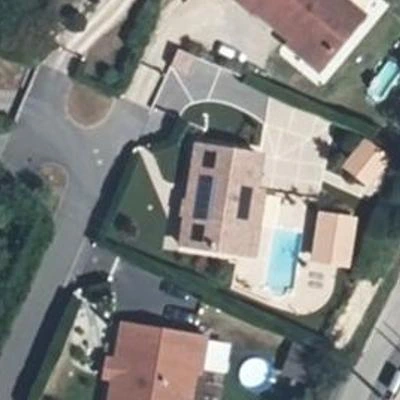
Panel in the square? Swipe right — or tap ✓.
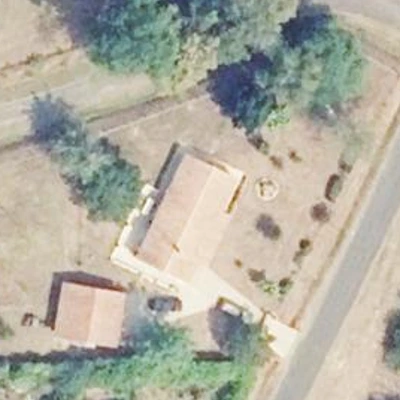
No panel? Swipe left — or tap ✕.
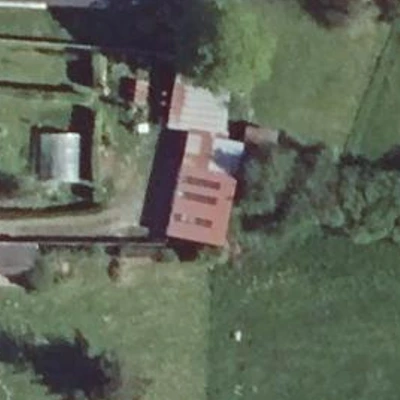
Don't know? Swipe up — or tap ? Unsure. This still counts as a vote.
Made a mistake? Tap Go back to undo your last swipe.
Problem with the image itself? Tap Comment to report it — doesn't count as a vote.
Your leaderboard and account are here, top left.
Find this tutorial again anytime, top right.
What is the purpose of this game?
PV Check is a crowdsourcing platform designed to improve OpenPVMapper.
How it works?
Every yes / no / unsure you swipe is one vote on a single installation. Once an installation collects its target number of independent votes (5 for most installations, 10 for a small random subset), we compute a consensus score from all of them — that's what turns into a label: contains PV, no PV, or ambiguous. No single swipe decides anything on its own, it's the sum of everyone's votes that does. So if you're not sure, swipe unsure rather than guessing — and a quick comment on an ambiguous case helps even more.
Feeding back into OpenPVMapper
Every installation in OpenPVMapper carries a tag showing where its label comes from. Today, one tag marks installations already verified through DeepPVMapper's manual annotation effort — see the Registry Audit page for how that works. Installations verified here, through crowdsourced consensus, will get their own tag in upcoming releases — raising the confidence level of the data for everyone. The first campaign focuses on the installations the model is currently least sure about.
Building an open training dataset
In the same spirit as the BDAPPV annotation campaign, the goal is also to build an open dataset that can be used to retrain and improve the AI models that detect solar panels in the first place — not just label what's already there.
Learn more about DeepPVMapper